Close
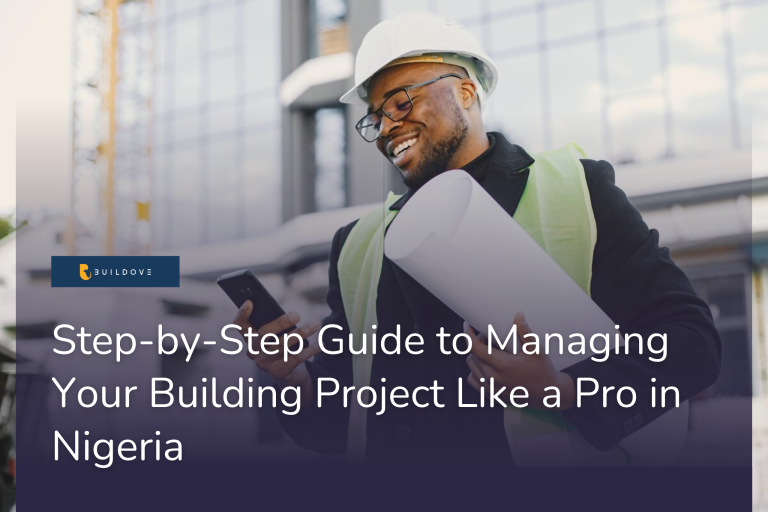
Managing a building construction project in Nigeria is a complicated process given the peculiar nature of the country’s regulatory environment, processes and culture. A proper understanding of these peculiarities puts you in an advantageous position to manage your projects like a Pro. A typical construction project relies on a number of contractors, subcontractors, and other critical stakeholders to timely complete building projects and within budget. With so many tasks to be completed, while considering the limited experience of a new homeowner, it is crucial to partner with professionals who have the technical ability and experience to guide you in navigating potential hurdles and be able to manage tasks across different stages of your project.
In this article, we take a deep dive into the practical steps involved in managing your building construction project like a professional.
In Nigeria’s volatile economic climate, proper budgeting is crucial. Start by thoroughly documenting your vision while considering local architectural preferences and climate requirements. Your home design should comply with for Nigeria’s tropical climate, incorporating features for proper ventilation and cooling. Consider the practical aspects of living in Nigeria, such as dedicated spaces for alternative power generating systems, security installations, and water storage solutions. Furthermore, your budget planning must be particularly thorough. The country’s economic fluctuations can significantly impact construction costs, especially due to the volatile foreign exchange rates affecting material prices. Your financial planning should encompass the complete scope of construction, including import duties for finishing materials where necessary. It is also important to plan for comprehensive power solutions, including generator installations, inverter systems, and possibly solar power integration. Your initial budget must factor in water supply infrastructure, including borehole drilling and storage systems. Given the market volatility in Nigeria, maintain a contingency fund of at least 25–30% of your total budget which is higher than the international standard to account for Nigeria’s unique market conditions.
Finding reliable professionals in Nigeria requires thorough research and careful vetting. Your primary focus should be securing a builder registered with the Council of Registered Builders of Nigeria (CORBON). Platforms like BuildOVE can connect you with verified Nigerian builders who have established track records of successful projects. You can review the previous projects of these professionals and engage with their past clients on the BuildOVE app to gain third-party opinions and testimonials. Moreover, your construction team should be comprehensively qualified and registered with relevant professional bodies. Ensure your architect holds current registration with the Architects Registration Council of Nigeria (ARCON). Your structural engineer must be registered with COREN (Council for the Regulation of Engineering in Nigeria). A qualified quantity surveyor will be invaluable for accurate cost management throughout the project. Additionally, engage a land surveyor early in the process to verify plot boundaries and help prevent any ‘omo-onile’ issues that commonly plague construction projects in Nigeria.
Navigating Nigeria’s complex building approval process requires patience and attention to detail. The foundation of any successful building project lies in proper documentation. Begin with thorough verification of your land documentation, whether it is Certificate of Occupancy, Governor’s Consent, or other relevant titles. Secure all necessary building permits from your local government authority, as these will prove crucial throughout your construction journey. In Lagos, for instance, you will need additional approvals such as LAWMA clearance and environmental impact assessments depending on your project’s scope. In addition, land verification deserves special attention in the Nigerian context. Many homeowners have lost their investments to fraudulent land sales, making this step particularly crucial. Engage professionals on BuildOVE to conduct comprehensive searches at the land registry and engage a reputable property lawyer to verify all documentation. This extra effort at the beginning can save you from devastating legal battles and financial losses later.
Managing construction in Nigeria demands exceptional vigilance and systematic oversight. Establish a robust daily monitoring system that keeps you informed of all site activities. Technology enabled platforms like BuildOVE can help streamline this process, providing digital tools for project tracking and documentation. Maintain detailed records of all material deliveries, including specifications and quality assessments. Document workforce attendance and productivity to ensure your project stays on schedule. Furthermore, material quality control is particularly critical in the Nigerian construction environment. The prevalence of substandard materials in our market necessitates direct engagement with reputable manufacturers or their authorized dealers. Establish relationships with trusted suppliers who can provide consistent quality on BuildOVE. Regular material testing should become a standard part of your construction process. Consider keeping samples of crucial materials like cement and reinforcement steel for future reference or testing if needed.
Understanding building standards in Nigeria requires familiarity with multiple regulatory frameworks. The National Building Code provides baseline requirements, but you must also consider state-specific regulations and local government bylaws. These standards are not just bureaucratic requirements – they are essential safeguards for your investment and your family’s safety. Quality assurance in Nigerian construction projects must be proactive and continuous. Your concrete mixing operations should undergo regular verification to ensure proper ratios are maintained. Steel reinforcement must meet specified grades and be properly stored to prevent deterioration. Foundation work deserves particular attention, with careful verification of depths and soil compression. Regular soil testing throughout the construction process can help identify potential issues before they become serious problems.
The completion phase of your construction project requires thorough attention to detail. Begin comprehensive testing of all installed systems and infrastructure. Your electrical systems should function seamlessly with both public power supply and your backup solutions. Water systems, including boreholes and storage tanks need careful testing for both functionality and water quality. Security installations should undergo rigorous testing to ensure they provide the protection your home needs. In addition, documentation at this stage becomes crucial for future reference. Collect and organize all completion certificates from relevant authorities. Maintain detailed records of all installations, including warranty information and maintenance requirements. These documents will prove invaluable for future maintenance and any potential property transactions.
Maintaining a home in Nigeria’s challenging environment requires systematic attention and care. Develop a comprehensive maintenance schedule that accounts for our unique climate conditions and infrastructure challenges. Build relationships with reliable local artisans who can provide quick response times for various repair needs. Create detailed emergency response protocols, particularly for security-related issues. Regular structural assessments become an essential part of home ownership. The harsh tropical climate can accelerate wear and tear, making periodic professional evaluations crucial. Keep detailed records of all modifications and repairs, as these documents help track your home’s condition over time and can influence property value.
Many construction projects in Nigeria face challenges due to common oversights. Firstly, rushing through land verification processes can lead to catastrophic outcomes, while relying on verbal agreements rather than proper documentation often results in costly disputes. Secondly, failing to account for seasonal challenges, particularly the impact of the rainy season on construction timelines can derail project schedules. Thirdly, inadequate security measures during construction often result in material theft and project delays. Fourthly, poor quality control on material deliveries can compromise structural integrity, while insufficient contingency funds leave projects vulnerable to market fluctuations. Finally, the importance of maintaining positive community relationships often gets overlooked, but local support can significantly influence project success.
Building your dream home in Nigeria presents unique challenges, but success is achievable with proper planning and management. The process requires diligence, attention to detail, and active involvement throughout all phases of construction. Partnering with technology driven platforms like BuildOVE can streamline many aspects of project management and enable you to maintain adequate oversight. Remember that successful construction in Nigeria depends on balancing quality, cost, and time, while navigating local challenges. Never compromise on quality, partner with BuildOVE to manage your building construction project like a Pro. With careful planning, proper professional support, and diligent oversight, you can successfully create the home you have always dreamed of, built to stand the test of time in Nigeria’s unique environment.
For more information about BuildOVE and partnership opportunities, visit our website: www.buildove.com or follow on social media @buildoveapp.
Hire construction professionals and empower your team with a cutting-edge platform designed to enhance collaboration among Team Members, Dealers and Clients from planning to completion.
Streamline all phases of construction projects, from planning to completion.
© 2026 Buildove. All Rights Reserved
7, Rasheed Alaba Williams Street, Lekki Phase 1, Lagos, Nigeria.
info@buildove.com